After the Light Goes: What Your Winter Outfit Does at Four O'Clock

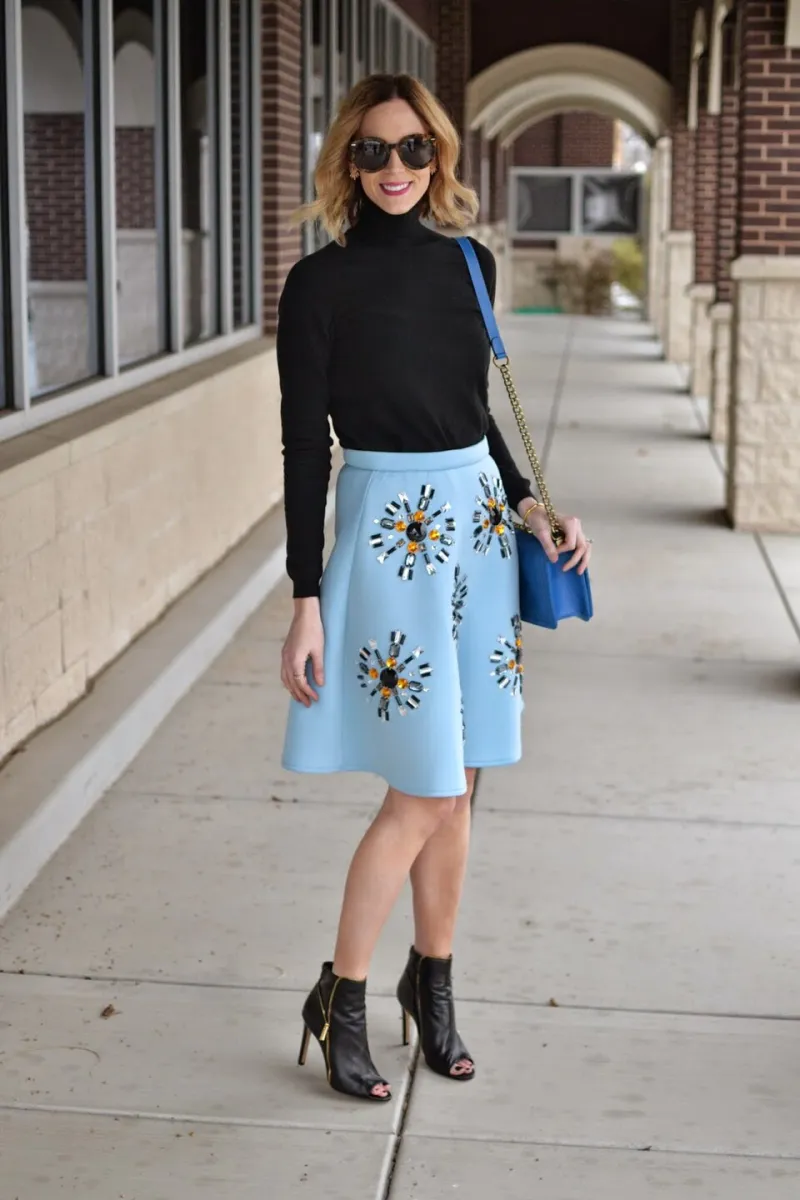
Photo: Petr Kratochvil, CC0, via Wikimedia Commons
At 3.47pm on a Tuesday, my kitchen window stops being a mirror and turns into a grey rectangle. By four, the streetlights are on, the sky has gone the colour of a dishcloth, and the outfit I put together in daylight has to make a second case for itself. This is not a dramatic discovery. It is just late November in the UK. But it has changed how I get dressed.
I have spent the past few weeks conducting what I have politely called the four o'clock audit. It is not scientific. It involves a phone photo by the window at 3pm, another under the strip lights in the office kitchen, and a final check on the walk home past shop windows and pub lamps. The results have been useful, occasionally humbling, and much cheaper than buying a new coat.
The four o'clock audit
The rules are simple. At 3pm, stand by a window and look at the outfit in daylight. At 4pm, look again under indoor lighting. Then, on the way home, catch your reflection in a dark shop window and see what survives. Grey skies, fluorescent tubes and warm pub lamps are three very different editors. An outfit that looks crisp at 9am can look tired by 3.30pm, and a piece that seems plain in daylight can suddenly look expensive under a streetlight.
What I have learned is that winter dressing is not only about warmth. It is about contrast. When the light goes, colours merge, textures flatten and details disappear. The outfits that still look deliberate after dark tend to have one clear point of interest: a richer colour, a bit of shine, a stronger lip, or a layer that catches the light.
Pieces that come alive after dark
Deep colours do well. Burgundy, forest green, chocolate brown and navy all seem to gather themselves after 4pm. They look less muddy under pub lighting than pale grey or washed-out beige, and they hold their shape visually when the sky is doing nothing. A dark red knit under a black coat is not groundbreaking, but it reads as a decision rather than an accident.
Texture helps too. Corduroy, brushed wool, leather, velvet and anything with a slight nap look better in low light because they create shadows. A smooth fine-gauge knit can vanish into a dark coat, but a ribbed jumper or a scarf with some body gives the eye something to follow. I have also made peace with a small amount of shine. Not full sequins on the bus, but a metallic earring, a satin skirt under a heavy jumper, or a pair of leather boots that have been properly wiped down. These are the pieces that catch shop-window light and make an outfit look finished.
And then there is lipstick. I know it is not clothing, but a berry or brick-red lip does more for a grey afternoon than most new purchases. It puts colour back near the face when the light has taken it away.
What goes flat by teatime
Pale oatmeal, soft grey, washed pastel and thin white cotton are the main casualties. They are lovely at 10am and slightly forgotten by 4pm. Under office lighting they can look drained; under streetlights they can look slightly grubby. A pale coat is still a good coat, but it often needs a darker scarf, a stronger bag or a knit underneath that gives it some anchor.
Flat black can also be a problem, oddly. A head-to-toe black outfit in a thin fabric can read as a uniform rather than a look once the sun goes. The fix is not to avoid black but to break it up: a textured boot, a silver necklace, a scarf with a bit of sheen, or a lighter layer at the neck. Black needs contrast after dark, even if that contrast is just a glimpse of skin or a metallic zip.
White trainers are another one. They look fresh in daylight and faintly grey by the time you are standing at the bus stop. I still wear them, but I notice the difference. If I want an outfit to feel deliberate on a dark walk home, I reach for leather boots or a darker shoe.
The tweaks worth making
The good news is that most outfits do not need replacing. They need one small adjustment at the point where daylight gives up. A lip colour is the quickest fix. A metallic accessory is the second. I keep a thin silver chain and a pair of small hoops in my bag, not because I am organised, but because I have learned that they make a plain jumper look intentional under pub lighting.
A lighter knit near the face is another useful trick. If you are wearing a dark coat, a cream or pale blue jumper at the neck can stop the whole look from going heavy. The same goes for a scarf. A scarf with a bit of contrast or shine does more work than a third layer of black.
I have also started paying attention to the hem and the shoe. A long dark coat over dark trousers can become one long line by 4pm, which is fine if that is the aim, but a cropped trouser with a boot, or a skirt with a visible sock, gives the outfit a full stop. It sounds fussy. It is really just about giving the eye somewhere to land.
Three outfits that pass the walk home
First, the dark-base formula: navy wool trousers, a burgundy fine knit, a black coat and leather boots. Add a silver earring and a berry lip. It is warm, it is simple, and it looks better under a streetlight than it does in my hallway.
Second, the texture formula: a chunky cream jumper, dark indigo jeans, a chocolate corduroy jacket and ankle boots. The cream near the face stops the dark from taking over, and the corduroy gives the whole thing some shadow. This is the outfit I wear when I want to look like I have made an effort without actually making one.
Third, the pub-light formula: a satin midi skirt in a deep green or rust, a heavy grey jumper, black tights and loafers. The skirt catches the light, the jumper keeps it casual, and the whole thing works from office to pub without a change. It also passes the test of looking slightly better after a glass of something.
What I am doing differently
I am no longer judging an outfit in the bathroom mirror at 8am. The bathroom mirror is a liar. It has warm light and no wind. Instead, I check by the window before I leave, and I keep one small thing in my bag that can shift the look later: a lipstick, a pair of earrings, a scarf. It is not a new wardrobe. It is just a recognition that the day has two halves, and the second half needs a bit of help.
By 4pm, the sun has gone and the streetlights are doing their best. The outfit does not need to be spectacular. It just needs to look as if you meant it. A bit of colour, a bit of texture and one small point of shine will usually do the trick.