Shoes for Soggy Pavements That Still Look Like an Outfit
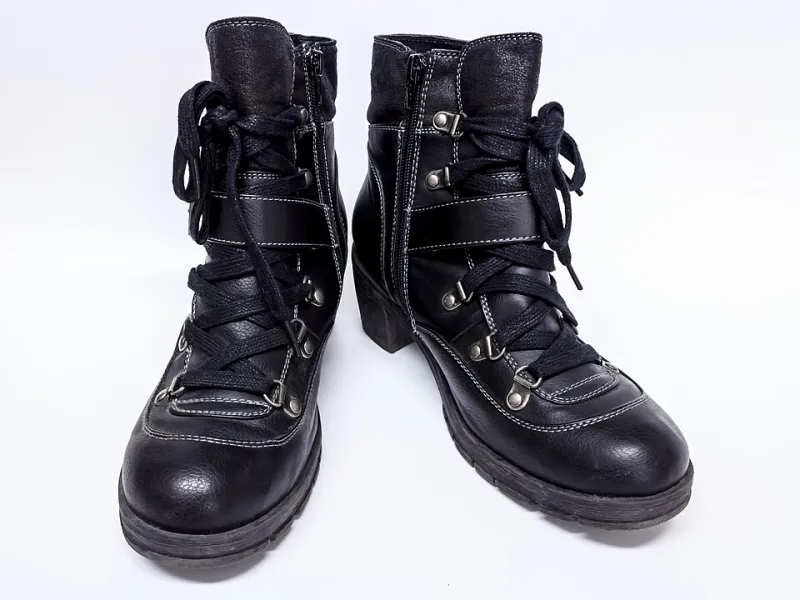
Photo: W.carter, CC BY-SA 4.0, via Wikimedia Commons
Start with the pavement, not the forecast
British rain is rarely a single dramatic event. It is a series of small humiliations: the puddle at the bus stop, the slick manhole cover, the wet leaf on the corner, the drizzle that somehow soaks your socks by 9am. So the right shoe for this country needs more than a waterproof label. It needs grip, a sensible sole and a shape you actually want to wear with your coat. No neon garden clogs required.
Below are five styles that do the job without wrecking an outfit. Prices are typical UK high-street and online ranges at the time of writing, so treat them as a guide rather than a promise.
Leather loafers with a lug sole
This is the quiet fix for anyone who wants to look polished in wet weather. A classic leather loafer with a thin leather sole is a liability in November; the same shape with a chunky rubber lug sole is a different shoe. Look for a deep tread, a sealed welt and leather that has been treated rather than left raw.
Expect to pay £120 to £250. Russell & Bromley, Clarks and John Lewis are good places to start, and department stores often have own-brand versions closer to £85. Break-in is usually one to two weeks with thick socks; the first few wears may rub at the heel. Style them with wide-leg trousers, wool socks and a trench coat. They look intentional with tailoring and relaxed with denim. Avoid wearing them in standing water; they are rain-ready, not waterproof.
Weatherised trainers
A trainer with a Gore-Tex or water-repellent upper is the most practical everyday option for most people. It handles drizzle, damp pavements and the walk between train and office without the stiffness of a boot. The grip is usually good, and there is no break-in period worth mentioning.
Expect £100 to £150 for a proper weatherised pair. Schuh, Office and New Balance stockists are the obvious places to look. The catch is that water-repellent is not the same as waterproof. A shallow puddle is fine; a deep one will find the tongue. Style them with straight-leg jeans, a wool coat and a crossbody bag. They also work with midi skirts and thick tights if you want a less obvious pairing. This is the shoe I would recommend first to anyone who walks a lot and refuses to wear proper walking gear.
Ankle boots with real tread
A Chelsea boot or lace-up ankle boot with a rubber sole is the classic British compromise. Look for a sole with visible tread, not a smooth fashion sole, and check the seams are sealed. Leather uppers are fine in rain if you care for them; suede is not your friend in a wet month unless it is specifically treated.
Expect £85 to £200. Clarks and M&S are reliable for the lower end; Blundstone stockists and independent shoe shops sit higher. Break-in is usually three to five wears. Style them with midi skirts, opaque tights and a chunky knit, or with straight jeans and a padded coat. A dark brown or black pair will do more work than you think. This is the closest you get to a shoe that looks smart and behaves like a boot.
Short rubber boots
An ankle-height rubber boot is the honest answer to days when the pavement is more puddle than path. The trick is to avoid anything knee-high, neon or obviously designed for a garden centre. A short rubber boot in matte black or dark green looks like a deliberate choice with tailored trousers and a wool coat.
Expect £75 to £150. Hunter and Aigle are the names you will see, and John Lewis often has a good mid-range option. There is no break-in period, but cheap rubber can rub at the ankle, so try them with the socks you actually wear. Style them with cropped trousers, a long coat and a scarf. They are not the shoe for a formal office, but they are the shoe for the walk there when the weather has other ideas.
Derby or brogue with a rubber sole
If you want something smarter than a trainer but sturdier than a loafer, a derby or brogue with a rubber or commando sole is the answer. The brogueing makes it look considered; the sole makes it usable. Look for a Goodyear-welted pair if you want to resole them, but a cemented sole is fine at the lower end.
Expect £70 to £250. Clarks and Loake stockists cover the range. Break-in is usually a week, and the leather will soften across the instep. Style them with flannel trousers, dark denim and a wool overcoat. They work with a suit, but they also work with a knit and a raincoat, which is more useful in a British winter.
The care note nobody wants but everybody needs
Wet shoes should dry naturally, away from radiators. Stuff them with newspaper, let them sit overnight and brush off dirt before it dries. Re-waterproof leather every few weeks in winter. Rotate your shoes if you can; no pair enjoys being worn damp two days running. And check the sole before you buy. Grip is the quiet difference between a shoe that looks right and a shoe that puts you on the pavement.
The short version
For most people, a weatherised trainer and a rubber-soled ankle boot will cover 80 per cent of a wet British week. Add a lug-sole loafer if you want something smarter, and a short rubber boot for the truly grim days. The point is not to dress for a monsoon. It is to stop letting a normal November decide whether you leave the house looking like yourself.