Small Things, Big Layers: A Month of Winter Jewellery That Stayed Put
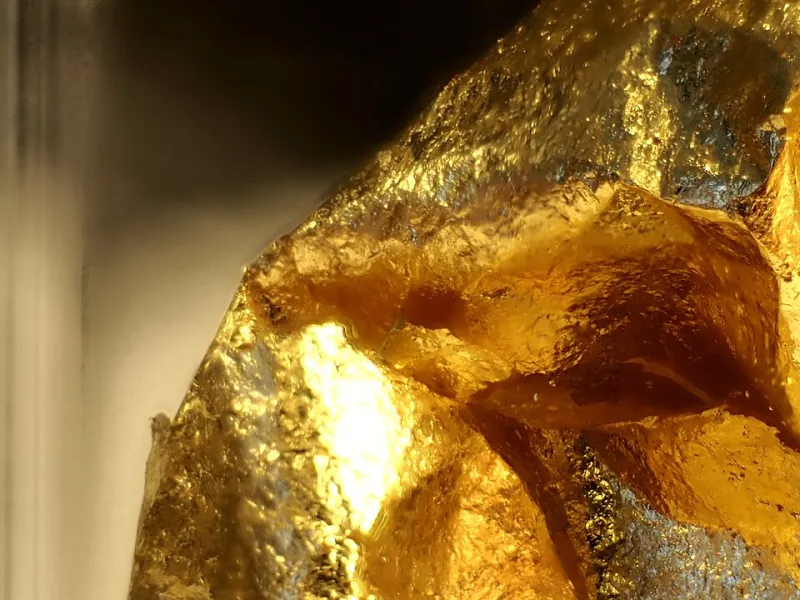
Photo: Tim Denholm, CC BY 4.0, via Wikimedia Commons
I am not a person who changes jewellery every morning. I have a small rotation: a thin chain, a pair of gold hoops, a couple of rings, and a signet ring I inherited from my grandmother. In summer, that rotation behaves itself. In winter, it has a harder job. Scarves pull at chains, roll-necks swallow pendants, coat sleeves push earrings sideways, and the rain does whatever it wants to silver. So for the past four weeks, I kept a note of what I actually wore and what happened to it.
This was not a laboratory test. It was a late-October-to-late-November test in real British weather: drizzle, a few bright cold mornings, radiators, wool, and the usual scramble for a umbrella that works. I wore the same handful of pieces most days and paid attention. The results were not dramatic, but they were useful.
The rules of the test
I picked seven pieces and wore them on repeat: a thin gold-plated chain with a tiny pendant, a slightly chunkier silver chain, a pair of medium gold hoops, small silver studs, a plain silver ring, a thin stacking ring, and my grandmother's signet ring. Three were high-street buys under £30. Two were inherited. Two were mid-price pieces I have had for years.
Each day I asked three questions. Did it stay where I put it? Did it irritate my skin or catch on knitwear? And did it look intentional once I was fully dressed, or had it disappeared under three layers? I also gave each piece a weekly wipe with a soft cloth and kept the silver in a small zip pouch when I remembered.
Necklaces: the layer problem
The thin gold chain was the surprise winner. It sat close to the collarbone, so it stayed visible above most crew necks and under scarves without tangling. The pendant was small enough not to catch on wool. The gold plating did start to look a little dull at the clasp by week three, which is the usual high-street story, but from a normal distance it was fine.
The chunkier silver chain was less successful. It looked good with a plain black roll-neck, but it was too long to sit comfortably under a scarf and too heavy to tuck neatly. On wet days it ended up under my coat collar, which meant I spent a lot of time fishing it out. If you wear a lot of scarves, a shorter chain is simply more practical.
The inherited gold chain was the piece I reached for most. It is not valuable in the insurance sense, but it is old enough to have a slightly deeper colour than the plated pieces. It did not tarnish. It did not catch. It made a plain jumper look considered. That is the honest difference between inherited jewellery and cheap jewellery: not always the design, but the staying power.
Earrings: what the scarf actually does
The medium gold hoops were the most useful things I wore. They sat above the scarf line, so they were visible even when my neck was completely covered. They also made a plain outfit look less plain without any effort. The high-street pair I tested had a slightly stiff hinge, but they stayed in. The inherited pair were lighter and more comfortable, and I noticed the difference on long days.
Small silver studs were the quiet heroes. They did not tangle, they did not catch on wool, and they were comfortable under a hat. If you only buy one new earring style for winter 2026, make it a small pair you can forget about. The fussier drop earrings I tried for a week were a disaster with a scarf: they caught, they swung, and one nearly disappeared into a coat sleeve. I retired them until spring.
A note on backs: butterfly backs loosened on two pairs over the month, especially when I was pulling a scarf on and off. I swapped them for silicone backs and stopped worrying. It is a small change that makes a real difference.
Rings: cold hands and wet pavements
The plain silver ring was fine until the really cold mornings, when my hands shrank and it started to twist. The thin stacking ring was worse: it slid off once when I was pulling off a glove, and I only found it because it landed on the pavement outside a bakery. After that, I moved both to fingers that fit more snugly in cold weather.
The signet ring was the most reliable. It is heavy enough to stay put and old enough that I do not worry about it the way I worry about plated pieces. It also looked good with chapped hands and a wool coat, which is more than I can say for some of my summer jewellery. If you have inherited rings, winter is their season.
I did notice that silver tarnished faster in the damp. A weekly wipe helped, and keeping the pieces in a small pouch rather than loose in a dish made a difference. The high-street gold-plated pieces needed more care: keep them dry, put them on last, and take them off first.
The high-street versus inherited question
The affordable pieces earned their place, but honestly. The thin chain and the hoops did their job for the money. They looked good, they survived most days, and I would buy them again. But they needed more maintenance, and I could feel the difference in the weight and the clasp. The inherited pieces were easier. They did not need to prove anything.
That is not a reason to avoid high-street jewellery. It is a reason to be realistic. If you are buying cheap pieces for winter, choose small, smooth shapes that will not catch on knitwear. Avoid long pendants if you wear scarves. Check the backs. And keep the plated pieces away from perfume and damp coat pockets.
The styling rules I am keeping
First, choose one piece that sits above the scarf line. Hoops, small studs, or a short chain. That is the piece people actually see.
Second, do not fight the roll-neck. If your neck is covered, let earrings do the work. A long necklace under a roll-neck is usually a waste of a good necklace.
Third, size rings for cold hands. If a ring twists on a cold morning, it is too loose for winter.
Fourth, put jewellery on after your scarf and coat, not before. It sounds obvious, but it cuts down on tangling and lost earrings.
Fifth, keep a small pouch in your bag. Not for everyday, but for the days when you take something off in a warm room and do not want it loose in your pocket.
The verdict
After a month, the pieces that survived best were the small ones: the short chain, the gold hoops, the studs, and the inherited signet ring. The pieces that struggled were the long necklace, the drop earrings, and the rings that were slightly too loose. None of this is revolutionary, but it is the kind of thing you only notice when you actually keep track.
Winter jewellery does not need to be precious. It needs to stay put, sit above the wool, and survive a bit of rain. Everything else is a bonus.